When summer temperatures start soaring here in southern Kentucky, air conditioning becomes a necessity, but it can also lead to higher energy bills if your system is not running efficiently. Luckily, there are several practical steps you can take to reduce your AC-related energy expenses while keeping your home comfortable. These tips are designed for the unique climate of our region and align with the best practices recommended for homes across the Bowling Green and surrounding areas.
Schedule Regular AC Maintenance
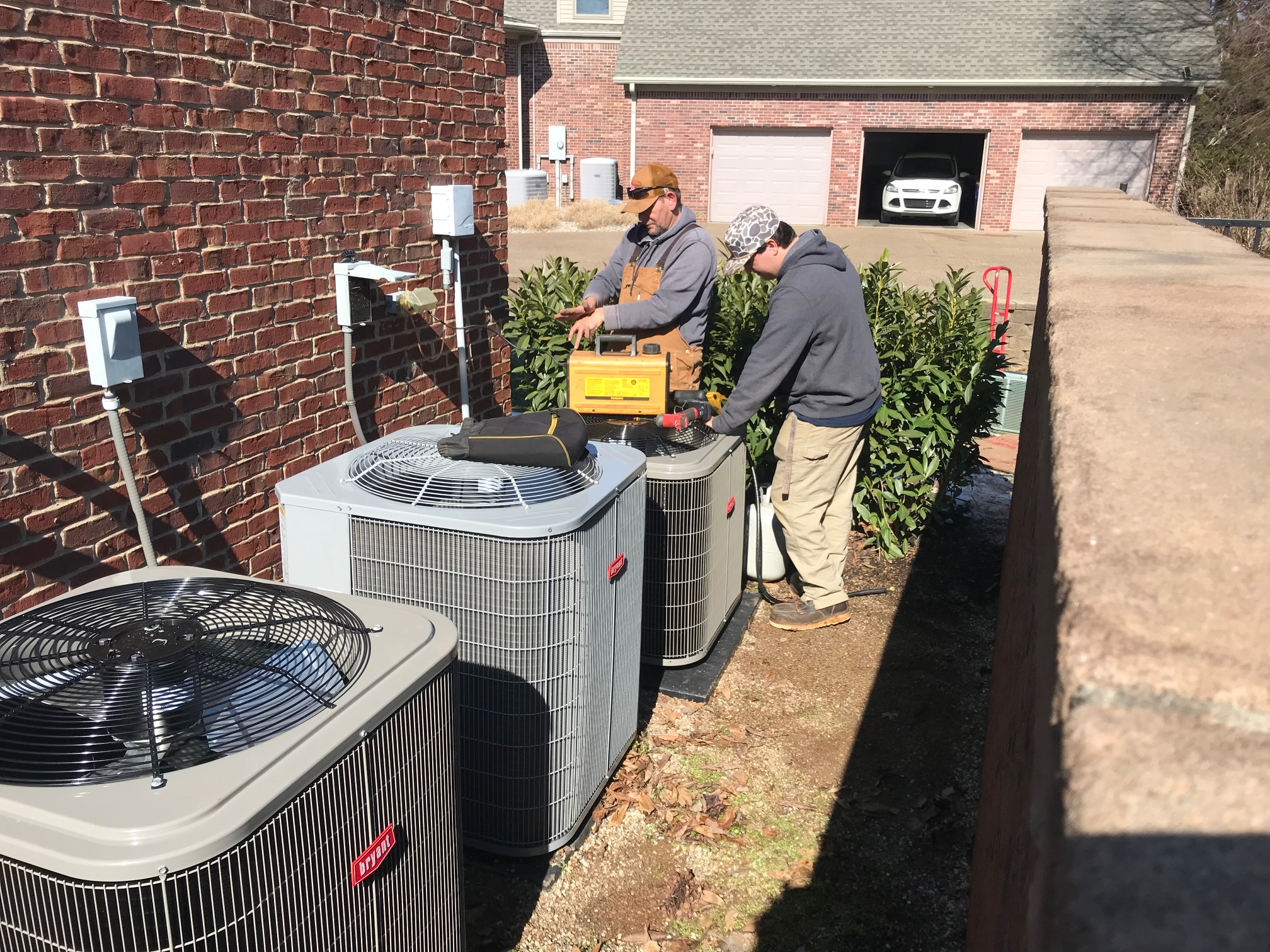
Consistent, professional AC maintenance is one of the most dependable ways to save on energy. With high humidity often rolling through places like Warren and Simpson Counties, your AC works hard to keep indoor air comfortable. Dirty filters and neglected components force your system to work harder, increasing energy usage. Schedule a seasonal tune-up with a local technician to inspect coils, check refrigerant levels, and change or clean filters. Maintenance ensures your unit runs at peak performance and spots small issues before they require expensive repairs.
Upgrade to a Smart Thermostat
Traditional thermostats set at one temperature all day can use more energy than necessary. Instead, install a programmable or smart thermostat, which allows you to schedule temperature changes based on when you are home, asleep, or away. For instance, in Russellville or Morgantown, where homes can sit empty during work hours, setting the AC to a higher temperature during the day and cooling down before you return saves significant energy. Many programmable models adapt to your schedule, giving you comfort when you need it and savings when you do not.
Keep Your Home Well-Insulated
Proper insulation does more than keep the cold out in winter; it also keeps cool air in during Kentucky’s hot summer months. Check for drafts in older homes, particularly in places like Glasgow and Brownsville, where historic houses may be common. Use weatherstripping, caulking, or even add insulation to attics and walls to reduce energy waste. Closing blinds or curtains during the day also prevents heat from the sun warming up your space, reducing how often the AC has to cycle.
Optimize Airflow and Ventilation
Your AC depends on unrestricted airflow to distribute cool air efficiently. Blocked vents, closed interior doors, or bulky furniture positioned near ducts and registers impede air circulation. Walk through your home and ensure all vents are open and unblocked. If someone in Scottsville or Allen County recently added new furnishings, it may be time for a quick check to safeguard efficient airflow. Occasionally running ceiling fans can also help circulate air more evenly, letting you feel cooler without lowering the thermostat.
Consider a High-Efficiency Upgrade
If your current unit is over a decade old, it may be time to consider a replacement. Modern, high-efficiency AC installations use less energy to cool the same amount of space compared to older models. As technology advances, units now meet higher SEER (Seasonal Energy Efficiency Ratio) ratings, leading to lower operating costs. Working with experienced technicians ensures the right size and fit for your home in Barren or Butler County, so you gain maximum benefit from your investment.
Seal Cooling Ducts for Maximum Efficiency
Duct leaks account for significant energy loss in many homes. If rooms consistently feel warmer or cooler than others, or if energy bills spike unexpectedly, the ductwork may be to blame. Professional duct cleaning and sealing can restore efficiency and improve air quality, making your system work less to deliver comfort throughout the home.
Contact Gra-Tac Heating & Cooling for Energy Savings
Ready to lower your energy bills and keep your home comfortable throughout Bowling Green, KY and surrounding communities? Contact Gra-Tac Heating & Cooling today for reliable service and personalized solutions. Call 270-843-1514 (Bowling Green, KY) or 270-586-7474 (Franklin, KY), or complete our online form, and let our team help you maximize the efficiency and lifespan of your AC unit.
See New Bryant Products
See Healthy Air Products